

the mindful curiosity journal
Stop skimming the surface of
your own life.
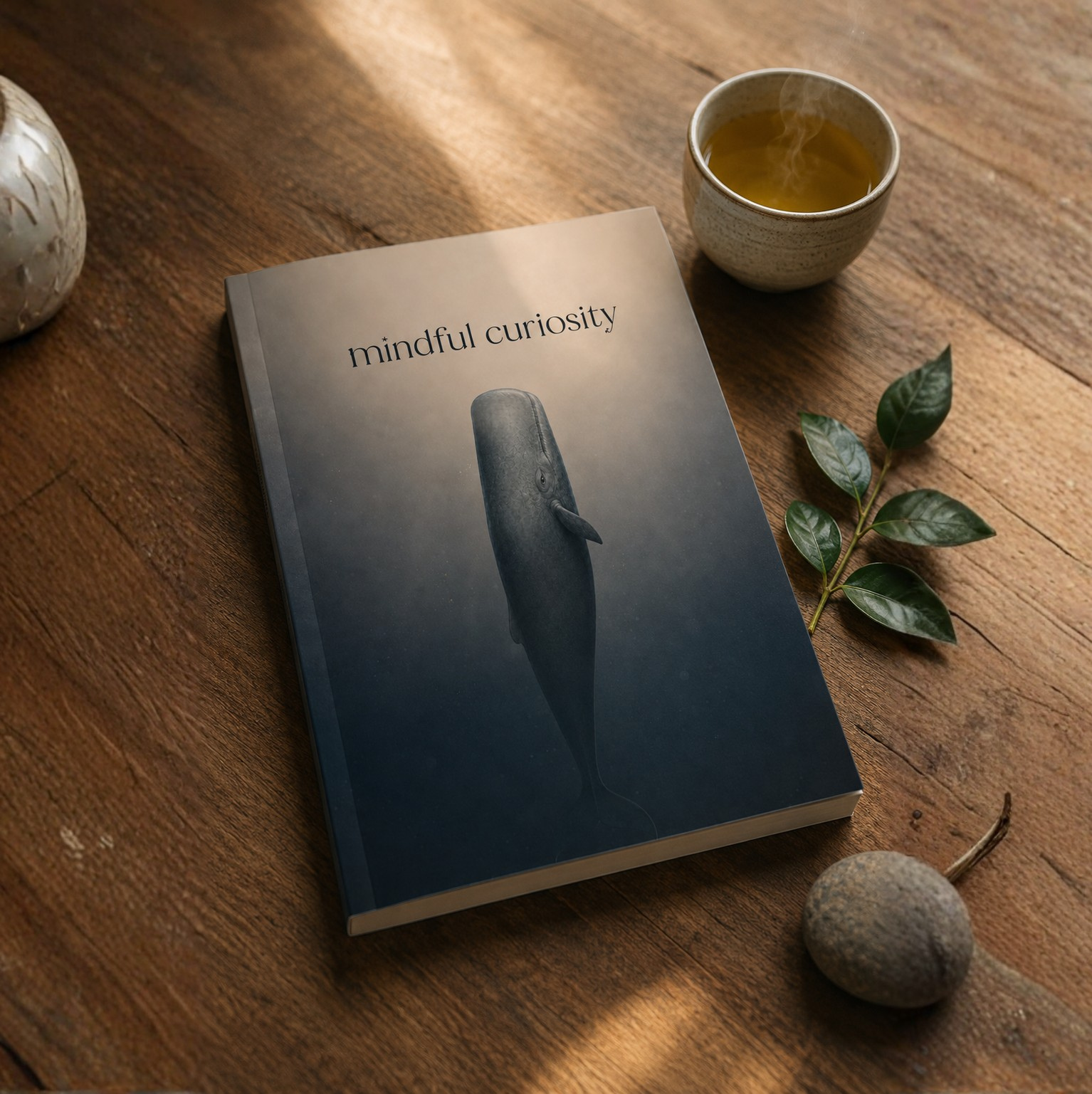
Mindful Curiosity is a guided journal for self-discovery, inner child work, and meeting your fears with curiosity.
Get your copy"There's nothing wrong with enjoying looking at the surface of the ocean, except that when you finally see what goes on underwater, you realize that you've been missing the whole point." — Dave Barry

what's inside
Guided prompts
across twelve themes from mindfulness, self-acceptance, inner child work, shame, relationships, and your connection to the world around you.
Gratitude ritual
A small gratitude practice before every prompt. A steadier place to stand while you face what's hard.
The 7 Why's
A practice for tracing surface emotions back to their roots, so you stop managing feelings and start meeting them.

Ready to go deeper?
Available now on Amazon.
Frequently Asked Questions
-
The Mindful Curiosity Journal is a structured self-discovery journal built around the philosophy that fear is just not knowing something. It guides you through 200+ prompts across six sections: mindfulness, self-acceptance, inner child work, shadows and shame, relationships, and your relationship with nature and the world around you. It's not a gratitude journal. It's not a productivity tracker. It's a tool for getting honest about the places you've been moving past without stopping to ask what they're telling you.
-
It's for the person who has done the reading. Listened to the podcasts. Maybe done the therapy. Understands their patterns on some level. And is still not moving. The gap between knowing and doing is exactly where this journal lives.
-
Most journals ask you what you're grateful for. This one asks you why you're scared. The Mindful Curiosity Journal moves you through the things most journals skip: the inner critic, the shame spiral, the emotions you've learned to manage rather than feel. It's structured enough to guide you, open enough to let you go wherever you need to go.
-
There's no prescribed timeline. Some people work through it in 90 days. Others return to it for years. The prompts don't expire. The version of you reading them six months from now will answer them differently, and that gap between the two answers is its own kind of map.